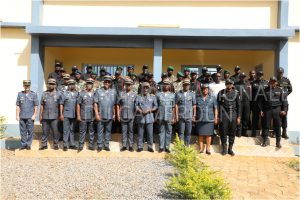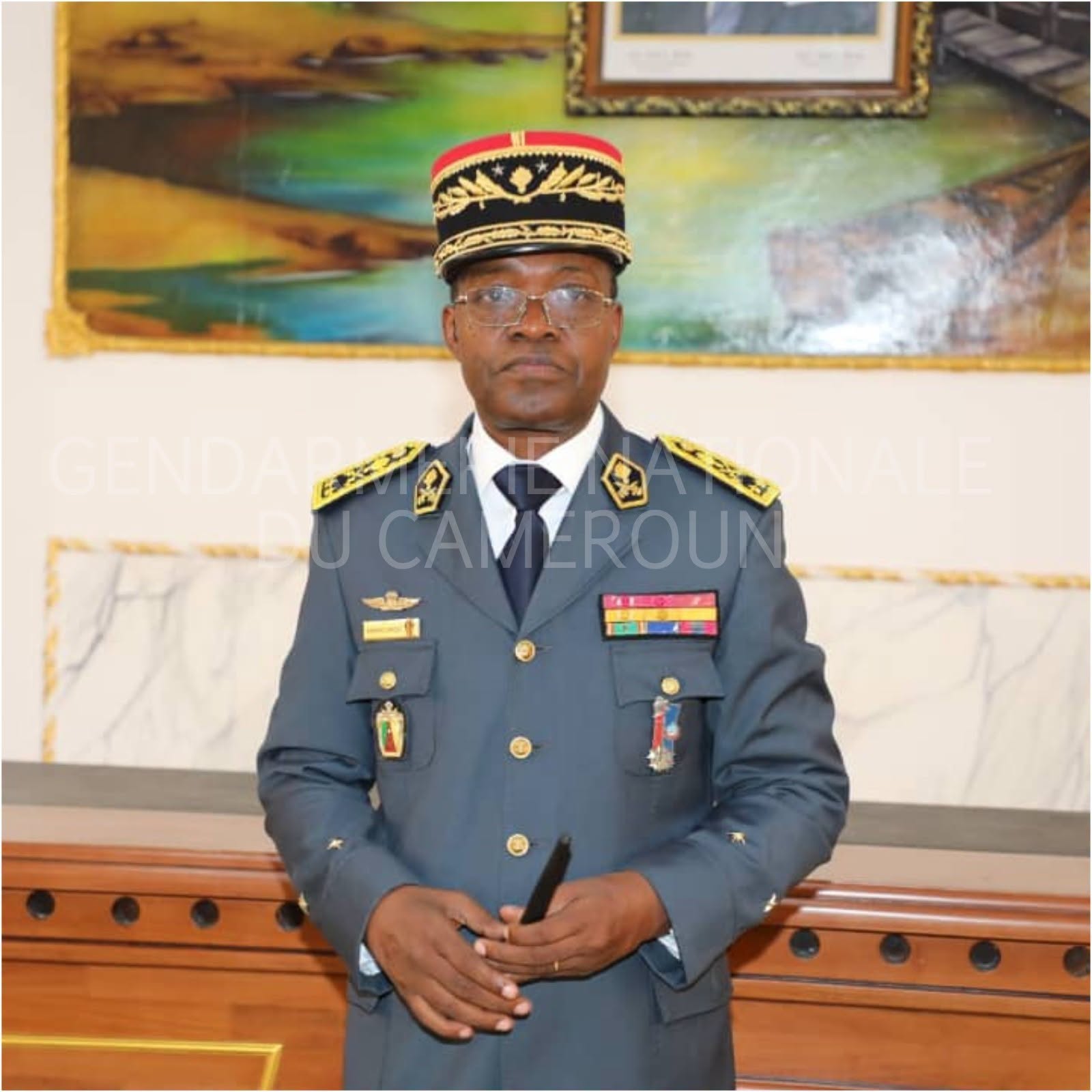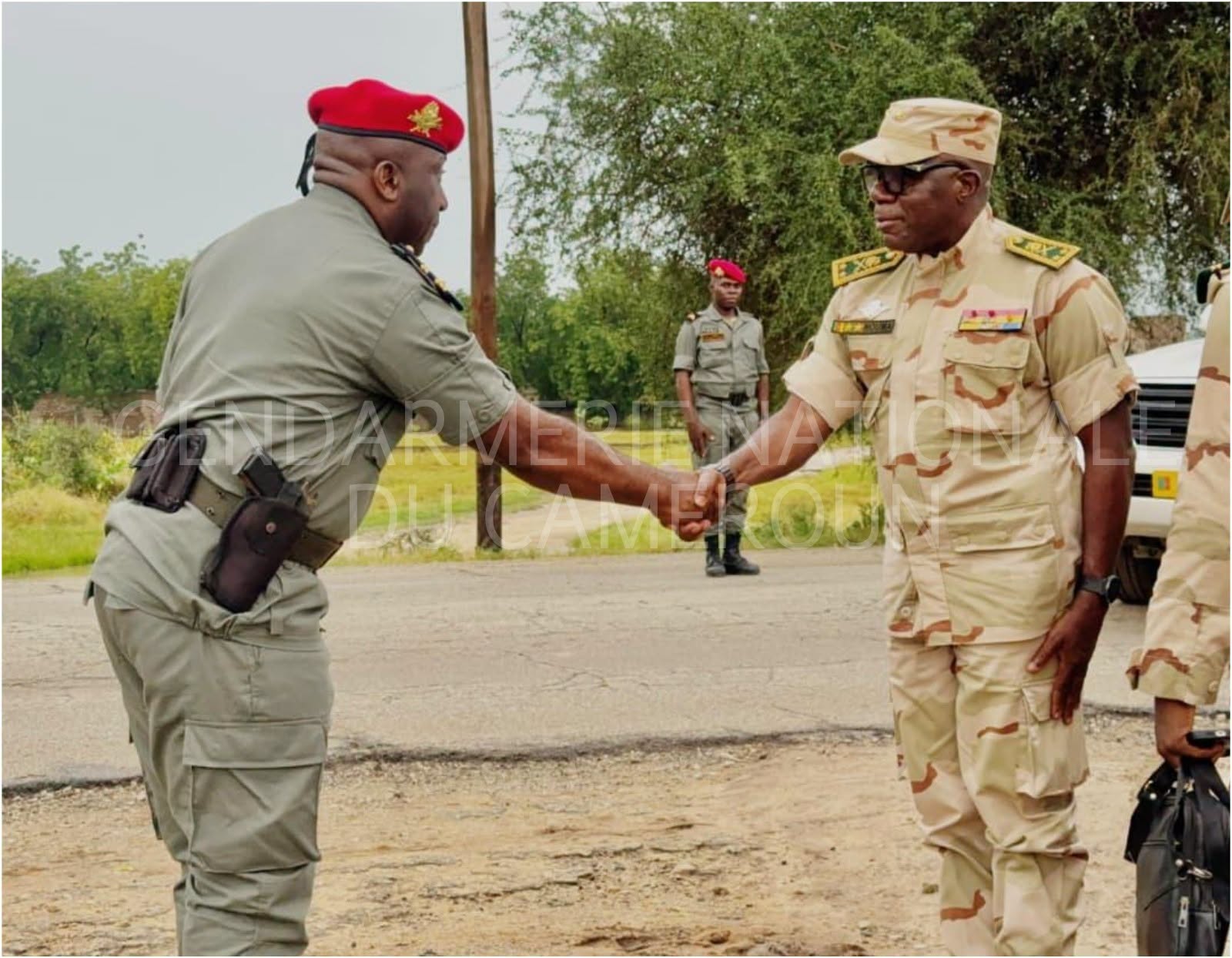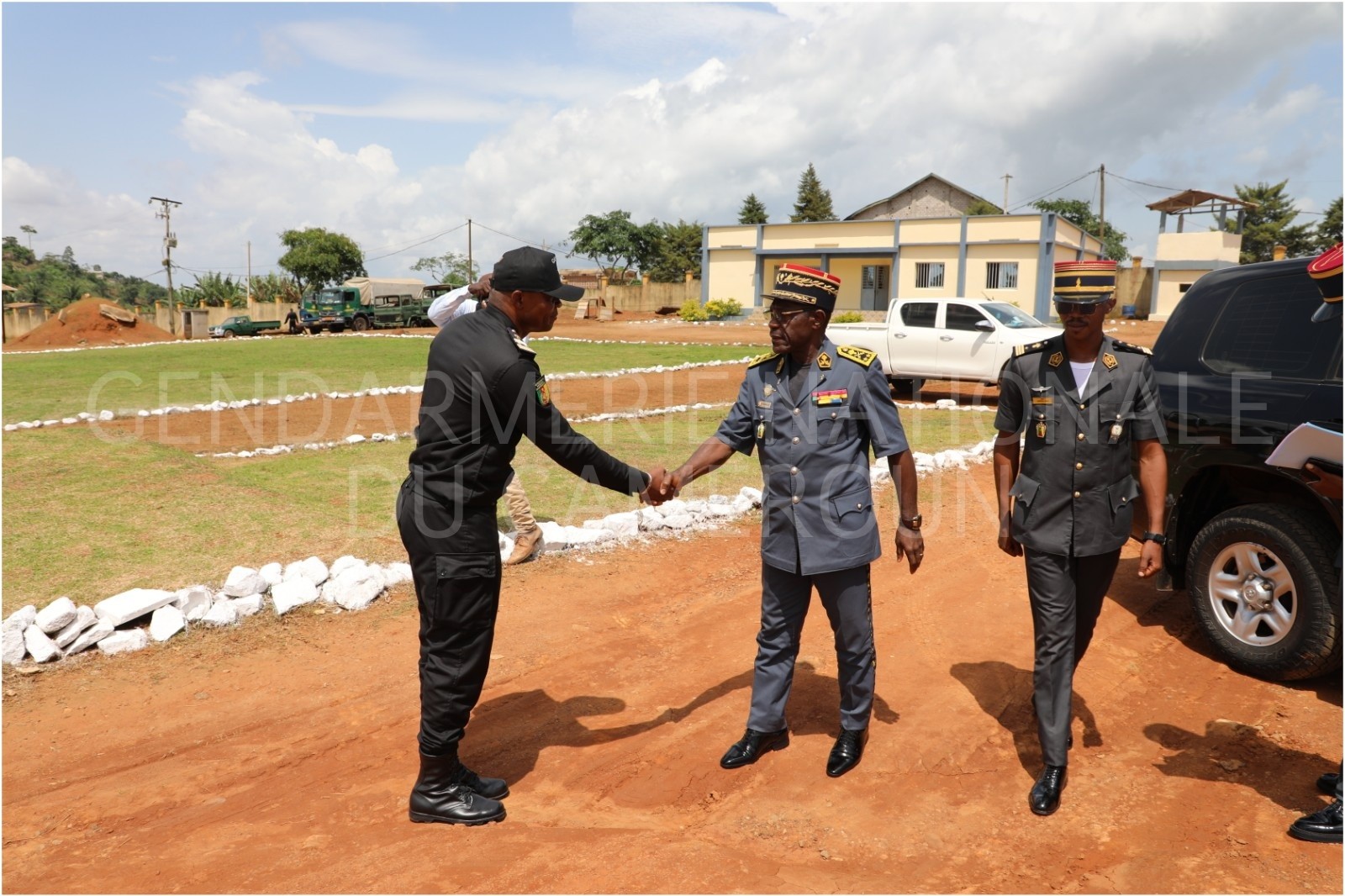
The ceremony was presided over by the Central Coordination Director, Brigadier General LOUBA ZAL Pierre, representing the SED/CGN, and was marked by the presentation of completion certificates to 143 trainees, comprising 94 gendarmes and 49 personnel of the Armed Forces.
In his address, the Commander of the GPIGN, Lieutenant-Colonel Zéphyrin Biogolo Embolo, commended the trainees for the determination and commitment they demonstrated throughout the course. He emphasised that the graduates, drawn from the 2019 cohort, have now acquired the skills and operational readiness required to effectively counter terrorist threats and ensure the protection of VIPs.
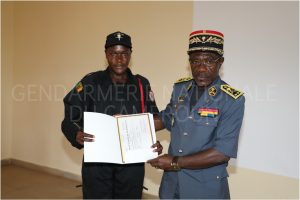
Conducted from 28 December 2025 to 30 April 2026, the CAT2 LAT programme was designed to enhance the trainees’ operational capabilities, enabling them to carry out their missions with efficiency and professionalism, while also preparing them for promotion to the rank of non-commissioned officer. Over a four-month period, the training was structured around four key modules: the General Training Module (infantry combat, topography, signals, operational intelligence, and knowledge of improvised explosive devices); the Technical Training Module (specialised intervention techniques, VIP protection, self-defence, and unarmed combat); the Field Exercise Module (combat operations in forest environments); and the Specialisation Module, which grouped trainees into workshops according to their demonstrated aptitudes in specialised intervention.
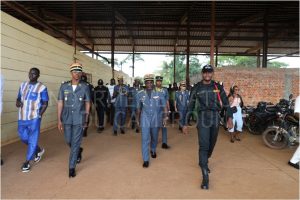
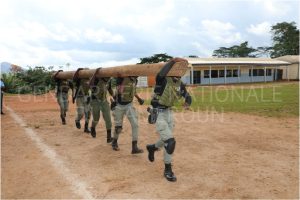
In his remarks, Brigadier General LOUBA ZAL Pierre paid tribute to the rigour, dedication, and professionalism of the instructors and supervisors, whose efforts ensured the successful completion of the programme. He congratulated the trainees on their outstanding achievement, reflected in a 100% pass rate, and urged them to remain worthy of the trust and high expectations placed upon them by both their superiors and the population. He further underscored the importance of professionalism, commitment, courage, and discipline, particularly in operational contexts.
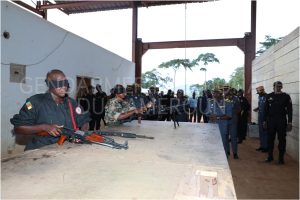
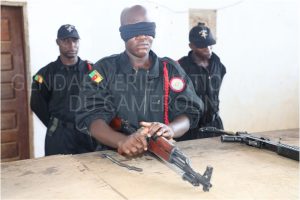
The ceremony concluded with a series of demonstrated exercises, including live-fire drills, operations at height, and the neutralisation of an improvised explosive device.